
Common Calibration Gas Mistakes That Cause Audit Failures - And How to Avoid Them for 100% Compliance
Table of Content:
1. Why Calibration Gas Compliance Matters in Audits
1.1 What Auditors Check During Calibration Gas Inspections
1.2 Impact of Non-Compliance on Safety and Certification
2. Using Expired Calibration Gases
2.1 Why Expired Calibration Gases Cause Audit Failures
2.2 How Gas Stability Changes Over Time
2.3 Best Practices to Prevent Using Expired Calibration Gases
3. Missing or Invalid Calibration Gas Certificates
3.1 Why Calibration Gas Certificates Are Mandatory
3.2 Common Certificate Errors Auditors Flag
3.3 How to Maintain Audit-Ready Calibration Gas Documentation
4. Using the Wrong Gas Concentration for Calibration
4.1 Why Correct Gas Concentration Matters
4.2 Examples of Concentration Mismatch in Audits
4.3 How to Choose the Right Calibration Gas Concentration
5. Improper Calibration Gas Storage Practices
5.1 Common Calibration Gas Storage Mistakes
5.2 How Poor Storage Affects Gas Accuracy
5.3 Safe and Compliant Calibration Gas Storage Guidelines
6. Lack of Traceability to Accredited Standards
6.1 What Traceability Means in Calibration Gases
6.2 Accepted Standards (NABL, NIST, ISO)
6.3 How to Ensure Full Calibration Gas Traceability
7. Reusing Disposable or Nearly Empty Cylinders
7.1 Why Low-Pressure Cylinders Affect Calibration
7.2 Risks of Reusing Disposable Calibration Gas Cylinders
7.3 Best Practices for Cylinder Usage and Replacement
8. Incorrect or Poor-Quality Regulators
8.1 Why Regulator Selection Is Critical for Calibration
8.2 Common Regulator-Related Audit Observations
8.3 Choosing the Right Regulator for Calibration Gases
9. Incomplete Calibration Records and Documentation
9.1 Calibration Records Auditors Expect to See
9.2 Common Documentation Gaps That Cause Audit Failures
9.3 How to Maintain Complete and Accurate Calibration Logs
10. Untrained or Unauthorized Personnel Performing Calibration
10.1 Why Auditor Focus on Personnel Competency
10.2 Training and Authorization Requirements
10.3 How to Demonstrate Competency During Audits
11. Ignoring SOPs and Manufacturer Guidelines
11.1 Importance of SOPs in Calibration Compliance
11.2 Common SOP Deviations Auditors Flag
11.3 Aligning SOPs with Manufacturer Recommendations
12. Using Non-Certified or Low-Quality Calibration Gases
12.1 Risks of Using Non-Certified Calibration Gases
12.2 How Auditors Evaluate Calibration Gas Suppliers
12.3 Choosing a Trusted and Compliant Calibration Gas Supplier
13. How to Stay Audit-Ready: Calibration Gas Checklist
13.1 Pre-Audit Calibration Gas Verification Checklist
13.2 Internal Audit and Self-Inspection Tips
14. Final Thoughts: Avoid Audit Failures with the Right Calibration Practices
14.1 Key Takeaways for Audit Success
14.2 Building Long-Term Calibration Compliance
Intro:
Calibration gases play a critical role in industrial safety, quality assurance, and regulatory compliance. From oil & gas plants and pharmaceutical manufacturing to laboratories and environmental monitoring, accurate gas calibration is non-negotiable. Yet, despite using certified calibration gases, many organizations still fail audits due to avoidable mistakes.
Audit failures don’t always occur because of faulty equipment—they happen because of process gaps, documentation errors, improper gas handling, or lack of compliance awareness. Regulatory bodies such as ISO, OSHA, NABL, EPA, and local safety authorities expect strict adherence to calibration standards.
In this blog, we’ll explore the most common calibration gas mistakes that cause audit failures, explain why auditors flag them, and share practical solutions followed by compliant manufacturers and suppliers like Chemix Specialty Gases & Equipment.
Why Calibration Gas Compliance Matters in Audits
Calibration gases are used to verify the accuracy of gas detectors, analyzers, and continuous monitoring systems. If the calibration gas is incorrect, expired, or improperly handled, the instrument readings become unreliable—putting personnel safety, product quality, and regulatory compliance at risk
During audits, inspectors typically verify:
- Calibration gas traceability
- Certificate validity and accreditation
- Gas concentration accuracy
- Storage and handling practices
- Calibration records and logs
- Supplier credibility
Reputed suppliers such as Chemix Specialty Gases & Equipment emphasize audit-ready documentation and traceability because even a minor non-conformity can result in penalties, audit observations, or certification suspension.
Understanding where companies go wrong is the first step toward audit success.
1. Using Expired Calibration Gases
Why This Triggers Audit Non-Conformities
Calibration gases have a defined shelf life. Over time, gas concentrations can drift due to adsorption, cylinder permeability, or chemical instability.
Auditors routinely check:- Cylinder expiry dates
- Certificate issue dates
- Batch and lot validity
Using expired calibration gas leads to measurement inaccuracies, which auditors treat as a serious compliance risk.
How to Avoid This Mistake
- Maintain a calibration gas inventory register
- Follow FIFO (First In, First Out) usage
- Set expiry alerts in your calibration schedule
- Clearly segregate expired cylinders
At Chemix, Calibration Gases are supplied with clearly marked expiry dates and batch traceability, helping customers stay audit-ready.
2. Missing or Invalid Calibration Gas Certificates
Why Auditors Reject This Immediately
A calibration gas without a valid certificate is considered non-traceable. Auditors expect certificates that are:
- Traceable to national or international standards
- Issued by an accredited manufacturer
- Linked to the exact cylinder serial number
Missing or mismatched certificates are among the top causes of audit failures.
Best Practice
- Store both physical and digital certificates
- Verify certificate details before calibration
- Ensure certificates include:
Gas composition, Certified concentration and tolerance,Traceability reference (NABL / NIST / ISO)
Suppliers like Chemix Specialty Gases provide complete, audit-compliant calibration gas certificates, reducing documentation risks during inspections.
3. Using the Wrong Gas Concentration for Calibration
A Common but Costly Error
Using a generic or incorrect gas concentration instead of the instrument manufacturer’s recommended value is frequently flagged in audits.
Examples include:
- Using 100 ppm gas when the detector requires 25 ppm
- Using a multi-gas mixture for single-gas analyzers
Auditors cross-verify:
- Instrument manuals
- SOPs
- Calibration gas concentration
How to Fix It
- Follow OEM calibration guidelines strictly
- Use gas concentrations within alarm thresholds
- Maintain SOPs specifying exact gas requirements
Experienced calibration gas suppliers like Chemix assist customers in selecting the correct gas mixtures and concentrations for specific industries and instruments.
4. Poor Calibration Gas Storage Practices
What Auditors Look For
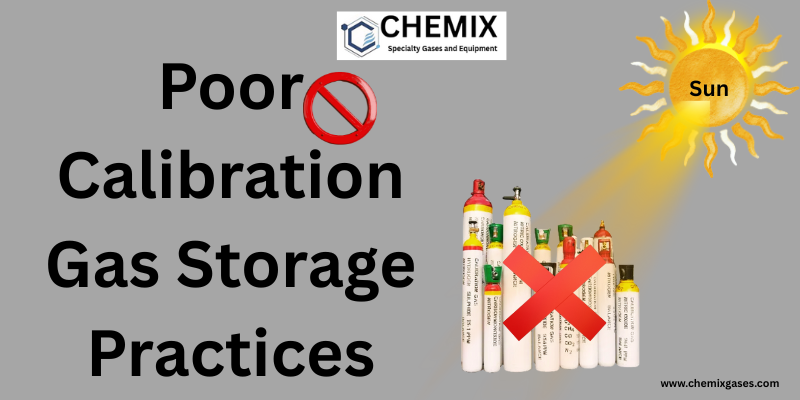
Improper storage affects gas stability and safety. Common audit observations include:
- Cylinders exposed to heat or direct sunlight
- No segregation of toxic, flammable, or inert gases
- Missing hazard labels and safety signage
Compliance-Friendly Storage Tips
- Store cylinders in cool, ventilated areas
- Secure cylinders in upright positions
- Follow safety and manufacturer storage guidelines
Chemix follows strict quality control and safe handling practices during filling, storage, and delivery—an important factor auditors consider when reviewing supplier credibility.
5. Lack of Traceability to Accredited Standards
Why Traceability Is Non-Negotiable
Calibration gases must be traceable to recognized standards such as:
- NABL-accredited laboratories
- NIST-traceable references
- ISO-compliant processes
Without traceability, calibration results are considered unreliable.
What You Should Do
- Source gases only from accredited suppliers
- Verify traceability statements on certificates
- Avoid unverified or low-cost gas sources
Chemix Specialty Gases & Equipment emphasizes traceability and compliance, ensuring calibration gases meet both national and international audit expectations.
6. Reusing Disposable or Nearly Empty Cylinders
Why Auditors Flag This
Low pressure or reused cylinders cause:
- Unstable gas flow
- Inconsistent sensor response
- Incorrect calibration results
Auditors may physically inspect:
- Cylinder pressure
- Regulator condition
- Cylinder type
Best Practice
- Never reuse disposable cylinders
- Replace cylinders before pressure drops below limits mentioned in certificate.
- Track usage cycles carefully
7. Incorrect or Poor-Quality Regulators
A Hidden Calibration Risk
Using improper regulators can alter gas delivery concentration. Common mistakes include:
- Using industrial regulators instead of calibration regulators
- Leaking or damaged fittings
How to Stay Compliant
- Use dedicated calibration gas regulators
- Inspect regulators regularly
- Ensure material compatibility
Suppliers like Chemix often provide compatible regulators and accessories along with calibration gases to ensure accurate delivery.
8. Incomplete Calibration Records and Logs
Documentation Gaps = Audit Failure
Auditors expect complete calibration records, including:
- Date of calibration
- Gas type and concentration
- Cylinder batch number
- Technician signature
- Next due date
Best Practice
- Use standardized calibration log formats
- Maintain digital backups
- Retain records as per audit requirements
9. Untrained Personnel Performing Calibration
Why This Raises Red Flags
Auditors may ask:
- Who performed the calibration?
- Are they trained?
- Is training documented?
Solution
- Train personnel regularly
- Maintain training records
- Assign calibration only to authorized staff
This aligns with E-E-A-T principles—demonstrating expertise and operational control.
10. Ignoring SOPs and Manufacturer Guidelines
Why This Causes Non-Conformities
Deviating from SOPs or OEM instructions without approval invalidates calibration.
Fix This
- Review SOPs annually
- Align SOPs with manufacturer updates
- Conduct internal audits
11. Choosing Non-Certified or Low-Quality Calibration Gases
The Long-Term Risk
Low-quality gases may cause:
- Instrument damage
- Repeated audit observations
- Compliance penalties
Smart Approach
- Choose established, compliant suppliers
- Verify certifications before procurement
- Prioritize quality over cost
Organizations working with trusted suppliers like Chemix Specialty Gases & Equipment reduce audit risks through consistent quality, certification, and documentation support.
How to Stay Audit-Ready: Calibration Gas Checklist
- ✔ Valid, unexpired calibration gases
- ✔ Proper certificates with traceability
- ✔ Correct gas concentration
- ✔ Safe and compliant storage
- ✔ Approved regulators
- ✔ Complete calibration records
- ✔ Trained personnel
- ✔ Accredited calibration gas supplier
Final Thoughts
Most calibration gas audit failures are preventable. They arise not from complex technical issues, but from simple oversights—expired gases, missing certificates, incorrect concentrations, or poor documentation.
By following best practices and sourcing certified, traceable calibration gases from reliable suppliers like Chemix Specialty Gases, organizations can ensure:
- Accurate measurements
- Safer workplaces
- Regulatory compliance
- Smooth, stress-free audits
A proactive approach to calibration gas management doesn’t just help you pass audits—it builds trust, reliability, and long-term operational excellence.