Why Calibration Gas Mixtures Matter More Than Ever in 2026
Introduction:
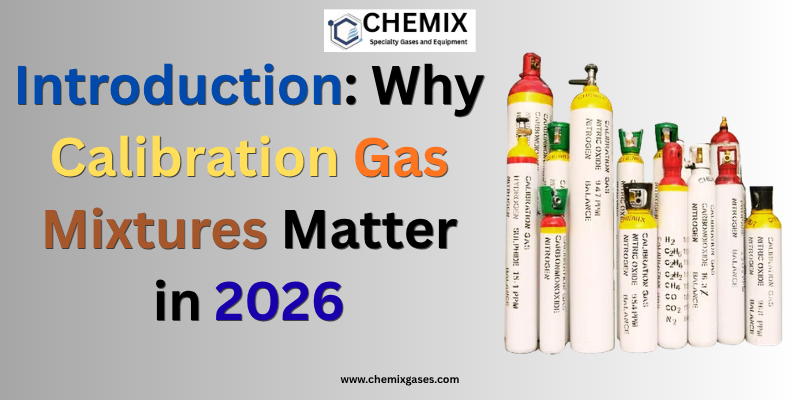
As industries continue to adopt advanced monitoring systems and stricter safety standards in 2026, calibration gas mixtures have become more important than ever.
These precise gas blends ensure accurate performance of gas detectors and analytical instruments, helping industries maintain compliance, improve operational efficiency, and protect both workers and the environment. With increasing demand for reliable measurements, calibration gases play a critical role across sectors such as healthcare, manufacturing, energy, and environmental monitoring.
Even small measurement errors can lead to safety risks, environmental violations, production losses, and compliance issues.
This is why Calibration Gas Mixtures are essential for accurate and reliable gas monitoring.
As industries adopt advanced technologies and stricter regulations, the demand for Certified Calibration Gas Mixtures continues to grow. Industries such as oil refineries, chemical plants, pharmaceutical facilities, and environmental monitoring stations rely on Industrial Calibration Gases for safety, compliance, and operational efficiency.
Chemix Specialty Gases in Bangalore is a ISO certified, trusted Company with 20+ years of industrial experience which helps industries meet these growing requirements by supplying reliable and high-quality gas solutions for industrial, laboratory, medical, and research applications.
Chemix Specialty Gases is both a manufacturer and supplier of UHP Gases, Calibration Gas Mixture, Gas Mixture, and Gas Handling Equipments.
Please Contact them for any requirement or solutions,our expert team will clear all the query with proper solution.
What Are Calibration Gas Mixtures?
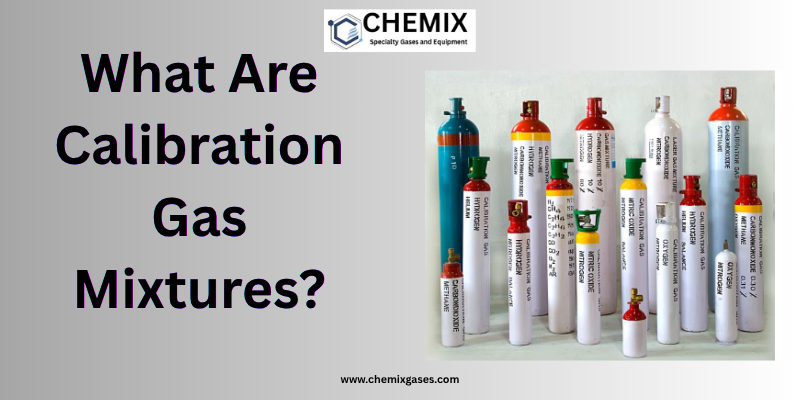
A Calibration Gas Mixture is a precisely prepared blend of gases with known concentrations used to verify, adjust, and calibrate gas detection and analytical instruments.
Think of calibration gas as a benchmark that helps gas detectors determine whether they are measuring gas concentrations accurately.
Over time, gas sensors can drift due to environmental conditions, aging components, or continuous usage. Without regular calibration, instruments may provide inaccurate readings, leading to safety risks and compliance issues.
Calibration gas mixtures are commonly used for:
- Gas detector calibration
- Process analyzer calibration
- Environmental monitoring
- Emission testing
- Laboratory analysis
- Medical gas monitoring
Accurate calibration ensures that instruments perform reliably when it matters most.
Please check our Blog Article Common Calibration Gas Mistakes That Cause Audit Failures - And How to Avoid Them for 100% Compliance.
What Are the Benefits of Using Certified Calibration Gas Mixtures?
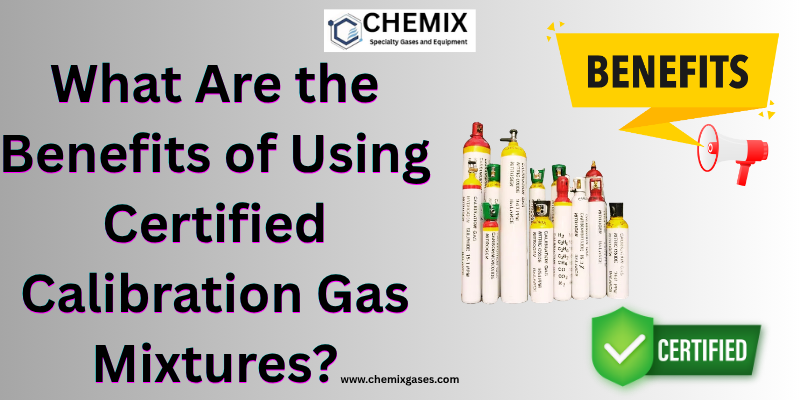
Many organizations view calibration as a routine maintenance activity. However, certified calibration gases provide benefits that directly impact safety, compliance, and operational efficiency.
Improved Measurement Accuracy
Certified calibration gas mixtures help instruments deliver precise and repeatable measurements, reducing the risk of false alarms or missed detections.
Enhanced Workplace Safety
Accurate gas detection helps identify hazardous gases before they reach dangerous levels, protecting workers and facilities.
Regulatory Compliance
Many industries must comply with strict environmental and safety regulations. Certified gas standards help maintain documented compliance.
Reduced Equipment Downtime
Properly calibrated instruments perform more reliably, reducing unexpected failures and costly operational disruptions.
Better Product Quality
In industries such as pharmaceuticals, food processing, and semiconductor manufacturing, accurate gas monitoring directly affects product quality and consistency.
At Chemix Specialty Gases in Bangalore, Calibration Gas Mixtures are prepared with a focus on accuracy, consistency, and traceability, helping industries maintain reliable gas monitoring systems.
Why Accurate Gas Detection is Critical Across Industries
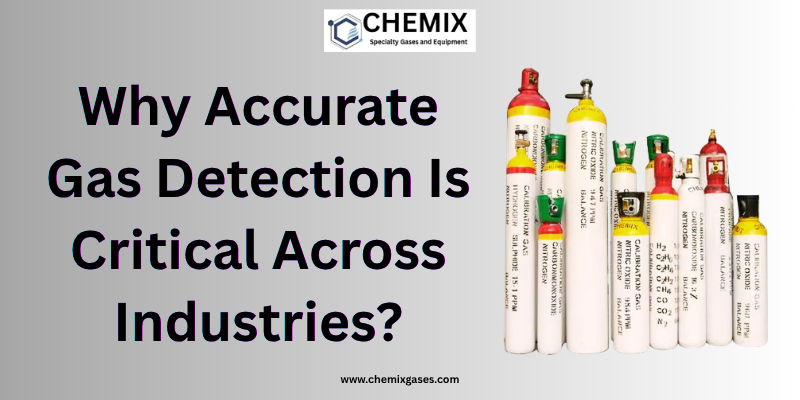
Modern industries work with combustible, toxic, corrosive, and oxygen-sensitive gases every day.
A detector that provides inaccurate readings can lead to:
- Workplace accidents
- Environmental non-compliance
- Product quality issues
- Production shutdowns
- Financial penalties
Whether monitoring methane in a pipeline, emissions from a power plant, or air quality in a cleanroom, accurate Gas Detection Calibration ensures informed decision-making and operational safety.
This is why Calibration Gas Applications continue to expand across industries worldwide.
Please check our Blog Article Why Every Industry Needs Calibration Gas
Let see below list of Industries with detail explanation.
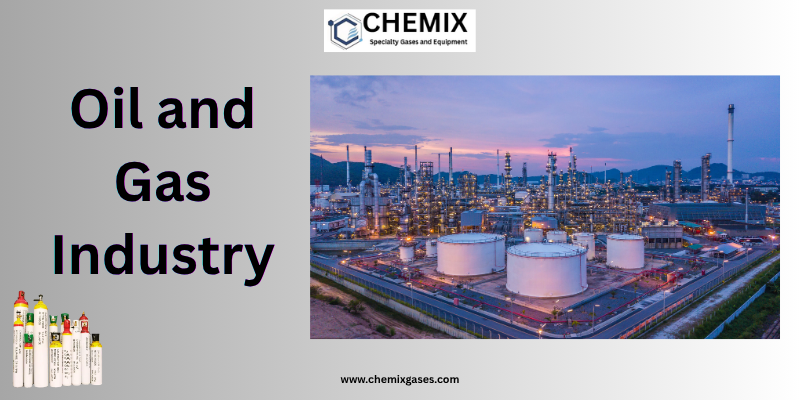
1. Oil and Gas Industry
The Oil and Gas Industry remains one of the largest users of calibration gas mixtures.
Refineries, offshore platforms, storage terminals, and pipelines continuously monitor combustible and toxic gases to ensure safe operations.
Common Applications
- Methane monitoring
- Hydrogen sulfide (H₂S) detection
- Pipeline leak detection
- Refinery safety systems
- Process gas analysis
Why Calibration Matters
Even a minor error in gas detection can result in safety incidents, operational disruptions, or environmental damage.
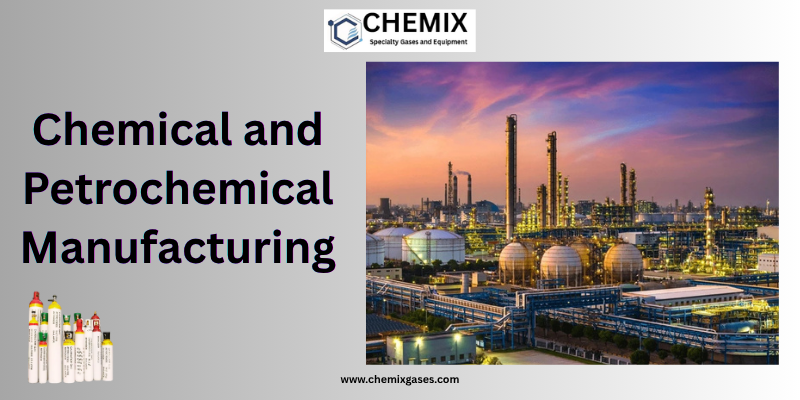
2. Chemical and Petrochemical Manufacturing
Chemical processing facilities operate in environments where precise gas analysis is essential.
Common Applications
- Process safety monitoring
- Toxic gas detection
- Chemical reaction control
- Emission monitoring
Why Calibration Matters
Accurate calibration helps prevent leaks, improve process efficiency, and maintain regulatory compliance.
3. Environmental Monitoring and Air Quality Testing
Growing environmental concerns and stricter regulations are increasing demand for Environmental Monitoring Gas Standards.
Common Applications
- Ambient air monitoring
- Pollution monitoring stations
- Environmental research
- Regulatory compliance programs
Why Calibration Matters
Reliable air quality data depends on accurately calibrated monitoring equipment.
4. Healthcare and Medical Gas Applications
Healthcare facilities rely on precise gas monitoring to support patient care and medical equipment performance.
Common Applications
- Medical gas verification
- Respiratory therapy equipment
- Anesthesia systems
- Clinical laboratories
Why Calibration Matters
Accurate gas measurements help ensure patient safety and regulatory compliance.
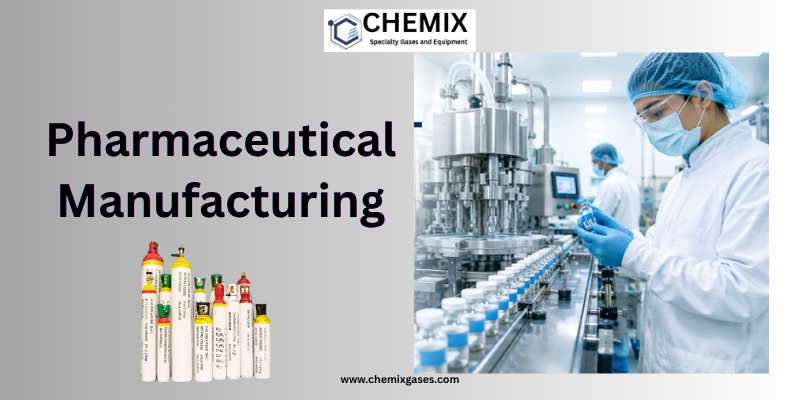
5. Pharmaceutical Manufacturing
The pharmaceutical industry operates under strict quality and compliance requirements.
Common Applications
- Cleanroom monitoring
- Environmental monitoring
- Process validation
- Quality assurance testing
Why Calibration Matters
Accurate gas measurements support GMP compliance and product quality.
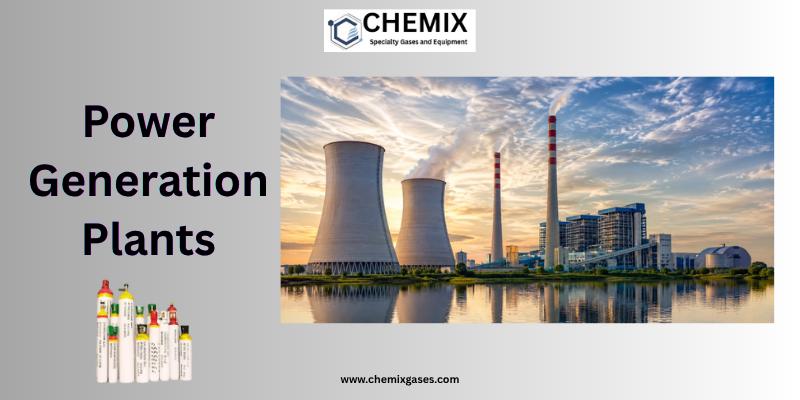
6. Power Generation Plants
Power plants use calibration gases to monitor emissions and optimize combustion efficiency.
Common Applications
- Stack emission monitoring
- Continuous Emission Monitoring Systems (CEMS)
- Boiler efficiency testing
- Environmental reporting
- Quality control
Why Calibration Matters
Proper calibration ensures accurate emission reporting and environmental compliance.
7. Food and Beverage Processing Industry
Gas monitoring plays an important role in food preservation and packaging.
Common Applications
- Modified Atmosphere Packaging (MAP)
- Food-grade gas verification
- Storage monitoring
Why Calibration Matters
Accurate gas concentrations help extend shelf life and maintain food quality.
8. Mining and Metal Processing Operations
Mining environments often contain hazardous gases that require continuous monitoring.
Common Applications
Methane detection
Oxygen monitoring
Ventilation systems
Worker safety programs
Why Calibration Matters
Accurate gas detection helps prevent accidents and protect workers in confined spaces.
9. Semiconductor and Electronics Manufacturing
The semiconductor industry requires extremely precise gas monitoring and ultra-high-purity gases.
Common Applications
Process gas monitoring
Semiconductor fabrication
Contamination control
Quality assurance
Why Calibration Matters
Even minor contamination can affect product quality and manufacturing yields.
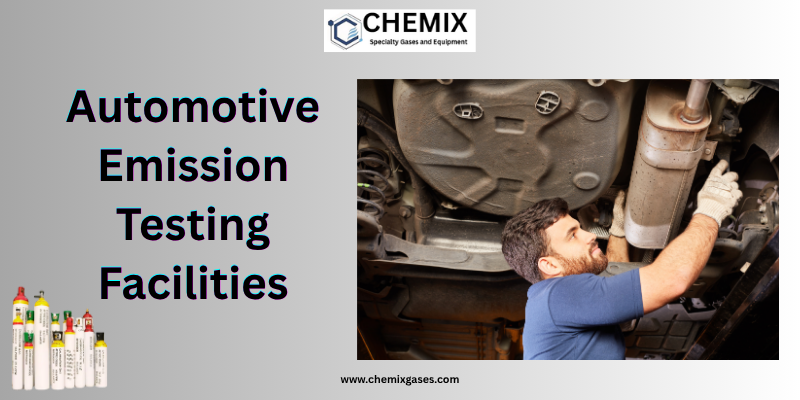
10. Automotive Emission Testing Facilities
Automotive manufacturers and testing centers depend on calibration gases to verify vehicle emissions.
Common Applications
- Exhaust gas analyzer calibration
- Emission compliance testing
- Engine performance analysis
- Vehicle certification
Why Calibration Matters
Accurate emission testing is essential for meeting environmental regulations.
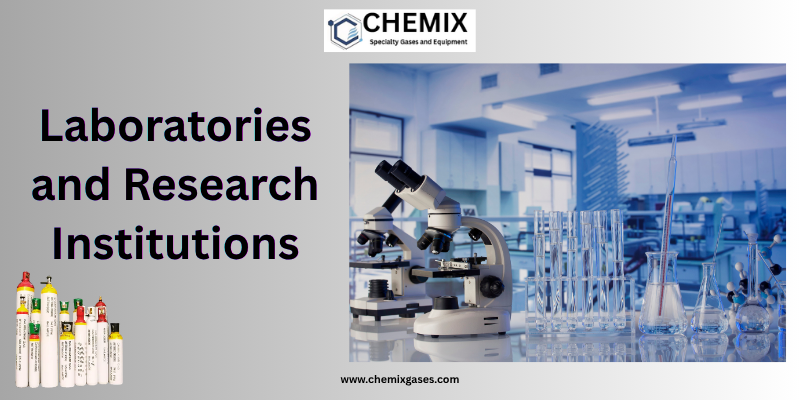
11. Laboratories and Research Institutions
Research laboratories rely on accurate analytical measurements for scientific studies and testing.
Common Applications
- Gas chromatography calibration
- Analytical instrument verification
- Research experiments
- Environmental analysis
Why Calibration Matters
Reliable data begins with properly calibrated instruments.
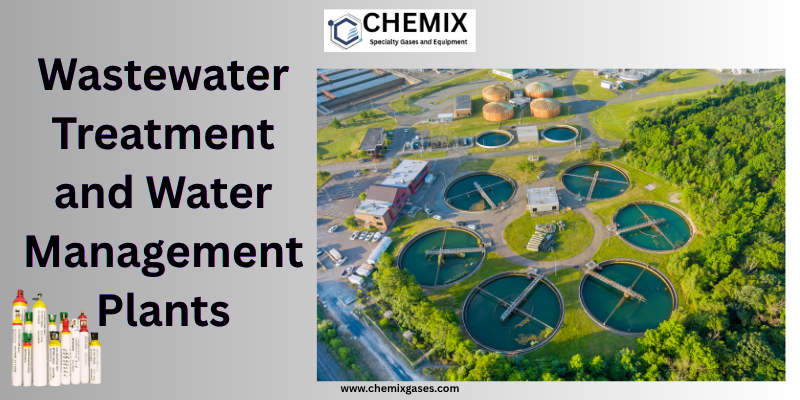
12. Wastewater Treatment and Water Management Plants
Wastewater facilities monitor gases generated during treatment processes.
Common Applications
- Biogas monitoring
- Hydrogen sulphide detection
- Methane analysis
- Process optimization
Why Calibration Matters
Accurate monitoring improves safety and treatment efficiency.
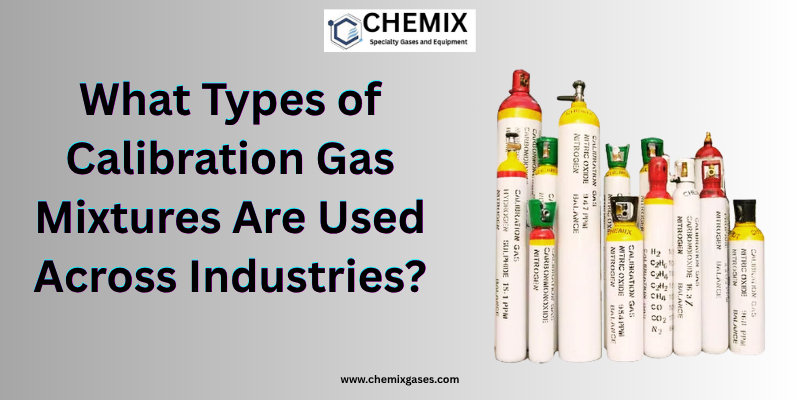
What Types of Calibration Gas Mixtures Are Used Across Industries?
Not all calibration gas mixtures are the same. Different industries require different gas compositions depending on the instruments being calibrated, the gases being monitored, and the regulatory standards they must meet.
Choosing the right calibration gas mixture is critical for achieving accurate gas detector calibration, ensuring compliance, improving workplace safety, and maintaining reliable process control.
Let's explore the most commonly used calibration gas standards across industries.
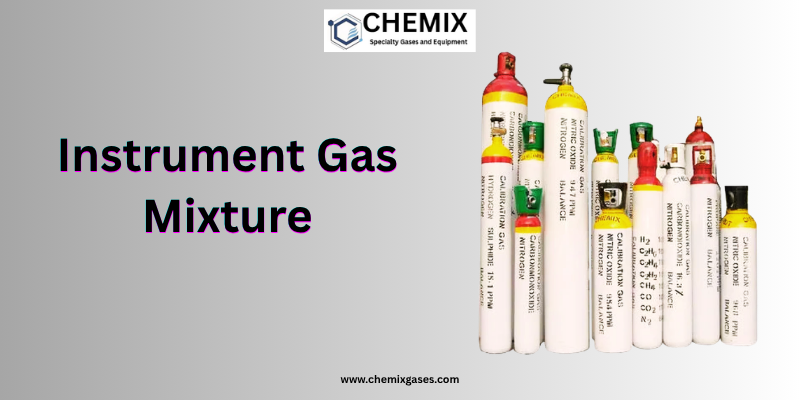
1)Instrument Gas Mixture
An Instrument Gas Mixture is one of the most widely used calibration gas mixtures across industrial sectors. These gas blends are specifically designed to calibrate gas analyzers, gas detectors, process instruments, and monitoring systems.
The composition and concentration of gases are carefully controlled to provide a known reference point for calibration.
Where Is It Used?
- Industrial Gas Analyzers
- Process Control Systems
- Safety Monitoring Equipment
- Laboratory Instruments
- Continuous Monitoring Systems
Why Is It Important?
Over time, gas detection instruments can drift from their original calibration settings due to environmental conditions, sensor aging, or frequent usage. Instrument gas mixtures help restore measurement accuracy and ensure reliable performance.
Common Gases Included
- Oxygen (O₂)
- Carbon Monoxide (CO)
- Carbon Dioxide (CO₂)
- Hydrogen Sulfide (H₂S)
- Methane (CH₄)
Industries That Use Instrument Gas Mixtures
- Oil and Gas
- Chemical Manufacturing
- Power Generation
- Environmental Monitoring
- Research Laboratories
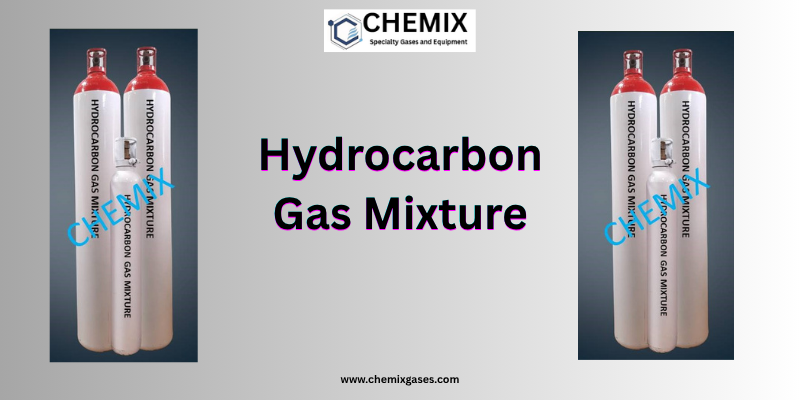
2)Hydrocarbon Gas Mixture
A Hydrocarbon Gas Mixture contains one or more hydrocarbon gases blended at precise concentrations for calibration purposes.
These mixtures are particularly important in industries where combustible gases are present and accurate hydrocarbon detection is critical for safety and compliance.
Where Is It Used?
- Refineries
- Natural Gas Processing Plants
- Petrochemical Manufacturing Units
- Offshore Platforms
Why Is It Important?
Hydrocarbon gases are highly flammable. Even small inaccuracies in gas detection can increase safety risks and affect operational efficiency.
Calibration using hydrocarbon gas mixtures ensures that gas detectors respond correctly to combustible gas concentrations.
Common Hydrocarbon Components
- Methane (CH₄)
- Ethane (C₂H₆)
- Propane (C₃H₈)
- Butane (C₄H₁₀)
- Pentane (C₅H₁₂)
Key Benefits
- Improved explosion prevention
- Accurate leak detection
- Enhanced refinery safety
- Regulatory compliance
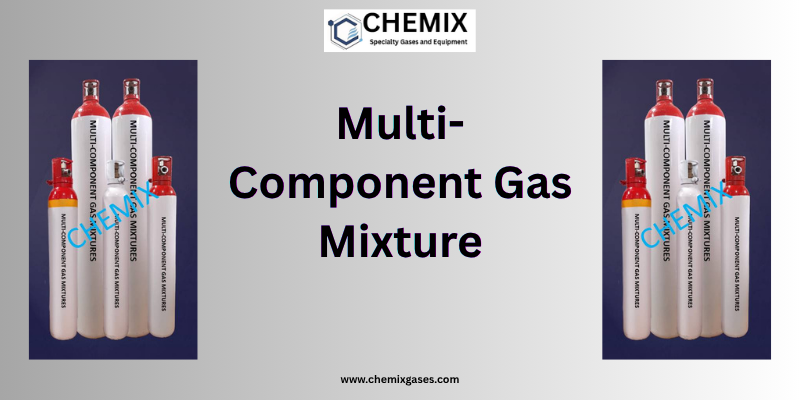
3. Multi-Component Gas Mixture
A Multi-Component Gas Mixture contains several gases blended together in precise concentrations within a single cylinder.
These mixtures are becoming increasingly popular because modern gas detectors and analyzers often monitor multiple gases simultaneously.
Where Is It Used?
- Multi-gas detectors
- Environmental monitoring stations
- Industrial hygiene monitoring
- Laboratory analyzers
- Pharmaceutical facilities
Why Is It Important?
Instead of using separate cylinders for each gas, organizations can calibrate multiple sensors at once, improving efficiency and reducing calibration time.
Typical Components
A multi-component mixture may contain:
- Carbon Monoxide
- Hydrogen Sulfide
- Methane
- Oxygen
- Nitric Oxide
- Sulphur Dioxide
Advantages
- Cost-effective calibration
- Faster calibration procedures
- Reduced equipment downtime
- Improved operational efficiency
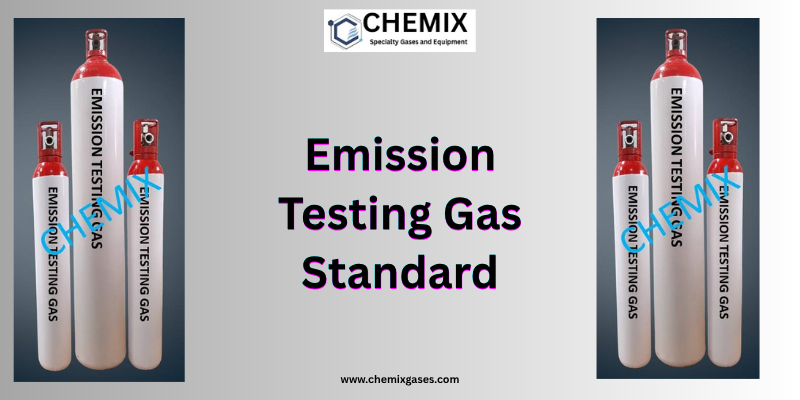
4. Emission Testing Gas Standard
An Emission Testing Gas Standard is specifically designed for calibrating equipment used to measure industrial emissions and exhaust gases.
As environmental regulations become stricter in 2026, these gas standards are increasingly important for compliance monitoring.
Where Is It Used?
- Power Plants
- Cement Industries
- Steel Manufacturing
- Chemical Plants
- Automotive Emission Testing Facilities
Why Is It Important?
Governments require industries to accurately monitor and report emissions. Improperly calibrated instruments can result in inaccurate reporting, audit failures, and regulatory penalties.
Common Components
- Carbon Monoxide (CO)
- Carbon Dioxide (CO₂)
- Nitric Oxide (NO)
- Nitrogen Dioxide (NO₂)
- Sulfur Dioxide (SO₂)
Key Benefits
- Accurate emissions reporting
- Environmental compliance
- Reliable stack monitoring
- Reduced risk of penalties
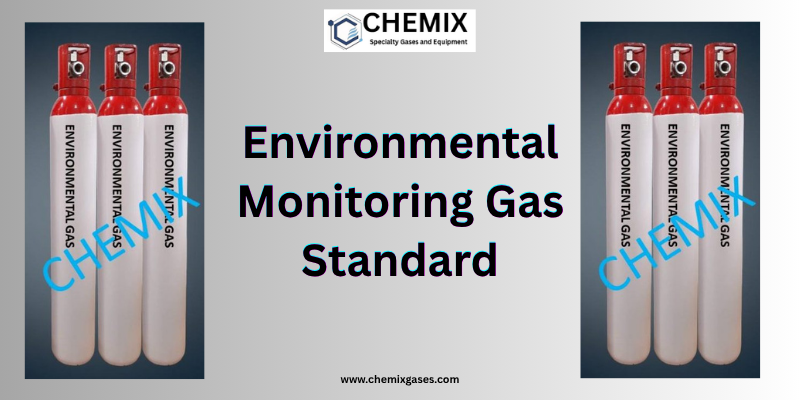
5. Environmental Monitoring Gas Standard
Environmental Monitoring Gas Standards are used to calibrate instruments that monitor ambient air quality and environmental pollutants.
With growing concerns about climate change and air pollution, demand for these calibration gases continues to increase globally.
Where Is It Used?
- Air Quality Monitoring Stations
- Environmental Agencies
- Pollution Control Boards
- Research Institutions
- Smart City Monitoring Networks
Why Is It Important?
Accurate environmental monitoring helps authorities assess pollution levels and develop strategies to improve air quality.
Common Pollutants Measured
- Ozone (O₃)
- Nitric Oxide (NO)
- Nitrogen Dioxide (NO₂)
- Sulfur Dioxide (SO₂)
- Carbon Monoxide (CO)
Benefits
- Reliable air quality data
- Regulatory compliance
- Environmental protection
- Public health monitoring
6. NIST Traceable Gas Mixture
A NIST Traceable Gas Mixture is considered one of the highest standards of calibration gas available.
These gas mixtures are manufactured and certified with traceability to standards established by the National Institute of Standards and Technology (NIST), ensuring exceptional accuracy and reliability.
Where Is It Used?
- Pharmaceutical Manufacturing
- Semiconductor Industry
- Accredited Laboratories
- Research Institutions
- Healthcare Applications
Why Is It Important?
Industries with strict quality requirements cannot afford measurement uncertainty. NIST traceable gas mixtures provide documented proof of accuracy and traceability, which is often required during audits and regulatory inspections.
Key Advantages
- Highest measurement accuracy
- International traceability
- Audit-ready documentation
- Improved data reliability
- Enhanced quality assurance
Industries That Depend on NIST Traceable Gas Mixtures
- Pharmaceutical Manufacturing
- Environmental Testing Laboratories
- Semiconductor Manufacturing
- Medical Gas Applications
- Scientific Research Facilities
Chemix Specialty Gases in Bangalore offers Instrument Gas Mixtures, Hydrocarbon Gas Mixtures, Multi-Component Gas Mixtures, Emission Testing Gas Standards, Environmental Monitoring Gas Standards, and customized calibration gas solutions for diverse industrial applications.
Which Calibration Gas Mixture Is Right for Your Industry?
The right calibration gas mixture depends on several factors, including the gases being monitored, instrument type, industry regulations, and required accuracy levels.
Whether you need an Instrument Gas Mixture for routine calibration, a Hydrocarbon Gas Mixture for refinery operations, a Multi-Component Gas Mixture for multi-gas detectors, or a NIST Traceable Gas Mixture for highly regulated applications, selecting the correct gas standard is essential for achieving accurate measurements and maintaining compliance.
Partnering with a trusted calibration gas supplier ensures that your instruments perform reliably, helping your organization maintain safety, quality, and regulatory compliance in 2026 and beyond.
Chemix Specialty Gases in Bangalore provides a comprehensive range of calibration gas mixtures, specialty calibration gases, environmental monitoring gas standards, emission testing gas standards, and customized gas mixtures tailored to industry-specific requirements.
How to Choose the Right Calibration Gas Supplier in 2026
Certification and Traceability
Look for suppliers that provide certified and NIST traceable gas mixtures.
Product Quality
Ensure gas mixtures are prepared using strict quality control procedures.
Custom Gas Mixture Capabilities
Choose a supplier capable of producing customized gas blends for specific applications.
Technical Expertise
Industry knowledge and technical support can help optimize calibration programs.
Reliable Delivery and Service
Timely delivery ensures uninterrupted operations and compliance.
Why Industries Choose Chemix Specialty Gases
- High-quality certified calibration gas mixtures
- Customized gas blend solutions
- Consistent concentration accuracy
- Industry-specific expertise
- Reliable customer support
- Nationwide supply capabilities
Future Trends in Calibration Gas Mixtures
Smart Gas Detection Systems
Connected monitoring systems are increasing the need for highly accurate calibration.
Stricter Environmental Regulations
Organizations are investing more in emission monitoring and environmental compliance.
Growth in Semiconductor Manufacturing
Demand for ultra-high-purity gases continues to rise.
Increased Use of NIST Traceable Gas Mixtures
Industries are prioritizing traceability and documented accuracy.
Digital Calibration Technologies
Advanced calibration methods are improving efficiency and reducing downtime.
|
Get Certified Calibration Gas Mixture in Bangalore
|
|
Looking for a reliable supplier?
Chemix Specialty Gases, Bangalore delivers Certified Calibration Gas Mixture for industrial and laboratory applications.
|
📞 Call Us
+91-9900575154
|
📧 Email
Sales@chemixgases.com
|
|
🌐 Website: www.chemixgases.com
|
|
📩 Request a Quote Now
|
Conclusion
As industries become more automated, regulated, and safety-focused, the importance of Calibration Gas Mixtures continues to grow.
From oil and gas and chemical manufacturing to pharmaceuticals, environmental monitoring, healthcare, and semiconductor production, accurate gas detection is essential for maintaining safety, quality, and compliance.
By investing in high-quality Certified Calibration Gas Mixtures and partnering with a trusted supplier such as Chemix Specialty Gases in Bangalore, organizations can improve measurement accuracy, reduce operational risks, and stay ahead of evolving industry requirements.
Frequently Asked Questions (FAQs)
Why are calibration gas mixtures more important in 2026?
Calibration gas mixtures are becoming essential in 2026 due to stricter safety regulations, accurate monitoring needs, and advanced gas detection systems.
What is a calibration gas mixture?
A calibration gas mixture is a certified blend of gases used to test and calibrate gas detectors and analyzers for accurate readings.
Why should gas detectors be calibrated regularly?
Regular calibration helps prevent false alarms, sensor drift, and inaccurate measurements.
How often should calibration gases be used?
Most gas detectors require calibration every 30–90 days, depending on the application and industry standards.
What are certified calibration gas mixtures?
Certified calibration gases contain verified gas concentrations to ensure reliable and consistent performance.
Why is traceability important in calibration gases?
Traceable calibration gases improve measurement accuracy and support regulatory compliance.
Can calibration gas mixtures be customized?
Yes, calibration gas mixtures can be customized based on concentration levels and industry requirements.
Which industries use calibration gas mixtures?
Industries such as oil & gas, pharmaceuticals, laboratories, manufacturing, and environmental monitoring commonly use them.
What are the latest calibration gas trends in 2026?
Major trends include smart sensors, AI-based monitoring, multi-component gas mixtures, and stricter compliance standards.
Why choose Chemix Specialty Gases for calibration gas solutions?
Chemix Specialty Gases in Bangalore offers certified, customizable calibration gas mixtures designed for reliable and accurate performance.
What happens if calibration gases are not used?
Skipping calibration can lead to inaccurate readings, safety risks, and compliance issues.
How do calibration gases improve workplace safety?
Calibration gases ensure gas detectors work correctly, helping identify hazards quickly and accurately.
What are calibration gas mixtures used for?
Calibration gas mixtures are used to verify and adjust gas detectors, analyzers, and monitoring instruments to ensure accurate measurements.
Why are certified calibration gas mixtures important?
They provide traceable accuracy, improve safety, and help organizations maintain regulatory compliance.
What is a NIST Traceable Gas Mixture?
A NIST Traceable Gas Mixture is certified against recognized standards, ensuring documented accuracy and traceability.
How do I choose the right calibration gas supplier?
Consider certification, traceability, product quality, technical expertise, customization capabilities, and customer support when selecting a supplier.Chemix Specialty Gases in Bangalore with 20+years experience is the trusted Brand, Please Contact them and Enquire your need.